The 20-20-20 rule: a simple screen break habit
The 20-20-20 rule is a tiny, popular screen-break routine, and with a few reminders it can become one of the easiest habits in your whole workday.
- Every 20 minutes, look 20 feet away for 20 seconds
- Use timers and triggers so you never have to remember
- Turn the break into a mini reset for body and mind
- Anchor it beside a daily Visivra capsule routine
Three numbers, one easy habit
Twenty, twenty, twenty. That is the whole idea. Every 20 minutes, look at something about 20 feet away for 20 seconds. It is a popular screen-break routine because it is short, free and works anywhere there is a window, a hallway or a far wall.
No special equipment. No app subscription. Just a repeating pause that gives your focus a chance to relax into the distance.
Why it feels good
Up-close work asks your eyes to hold the same focus for long stretches. Looking across the room is a change of scenery for your eyes, and a quick change of posture for the rest of you. Most people notice the break feels refreshing, even when it lasts less time than a sip of coffee.
Think of it as a stretch for your attention. Your screen will be right where you left it.
There is a mental benefit too. A scheduled pause breaks the tunnel vision that builds during deep work, so you return to the task with a fresh view. Many people find they spot typos and awkward sentences faster after a short look into the distance.
Make it automatic
The rule only works if it happens, so let the environment remind you. Try one of these:
- Timer trick: set a repeating 20-minute timer on your phone or smartwatch
- Song trick: when a playlist track ends, look up
- Sticky trick: put a small colored dot on the corner of your monitor as a visual cue
- Meeting trick: on video calls, glance at a far wall while someone else is speaking
Pick one trick and give it a week before changing anything. Consistency beats cleverness.
If your office has no long view, improvise. A far corner of the ceiling, a poster across the room or the end of a hallway all work. Outdoors, the horizon is a gift: step onto a balcony or porch whenever you can.
Upgrade the 20 seconds
Once the habit is steady, enrich it. While you are looking away, you can:
- Roll your shoulders back twice
- Take three slow breaths
- Blink gently and slowly
- Find a far-off detail, like a tree branch or a street sign, and describe it to yourself
Want more ideas for the whole day? Our guide to screen time habits for comfortable eyes pairs nicely with this one, and so does the workspace setup guide.
You can also turn the pause into a tiny gratitude moment. Name one thing you can see that you like. It costs nothing and it turns a chore into something you look forward to.
Movement counts too
If you are going to stand up anyway, add a little walking. Even short bursts of movement are a friendly bonus for long desk days. For a general overview of simple ways to stay active, the CDC physical activity basics page is an easy read.
Between rounds of 20-20-20, a longer break each hour is wonderful: refill your water, step outside, and let your attention rest.
Pair the habit with a daily Visivra routine
Habit stacking is a coach favorite: attach a new behavior to one you already do. Many readers pair their screen-break routine with a daily capsule moment, so both feel like part of one tidy plan.
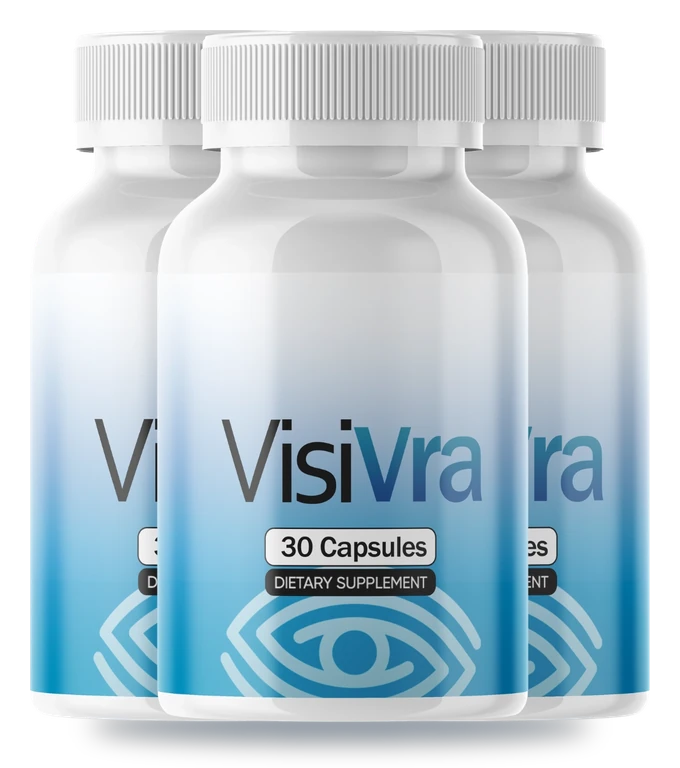
Visivra is a capsule positioned by the brand for everyday eye comfort and visual clarity. As stated by the brand, it contains lutein, zeaxanthin, bilberry extract, astaxanthin, zinc and vitamin A. Follow the serving directions on the label, and remember that the complete Supplement Facts panel is printed on the bottle label, with customer support available to share details.
Learn more on the Visivra explained page. When you are ready to line up your routine, see today's price on the order page. The brand offers a 60-day money-back guarantee, handled through customer support.
Another fan favorite is the evening version. When you settle in with a show, let each commercial break or episode intro be your cue to glance at the far side of the room. Same habit, different setting.
For general guidance on choosing and using dietary supplements, the U.S. FDA dietary supplements page is a reliable starting point.